General & Family Dentistry

Could dental implants not only improve your smile but also give your brain a boost? You might be surprised to learn the connection between chewing and brain health. As we become more aware of how our oral health affects our overall well-being, it’s no longer just about aesthetics.
Recent studies show that maintaining good oral health is linked to better brain function, especially when it comes to chewing. The process of chewing stimulates the brain in ways that contribute to cognitive health. But what does this mean for those who are missing teeth and unable to chew efficiently?
In this blog, we’ll explore the growing interest in the relationship between dental health and cognitive function, with a particular focus on how implants can play a role in boosting brain health by restoring natural chewing abilities.
Understanding Dental Implants
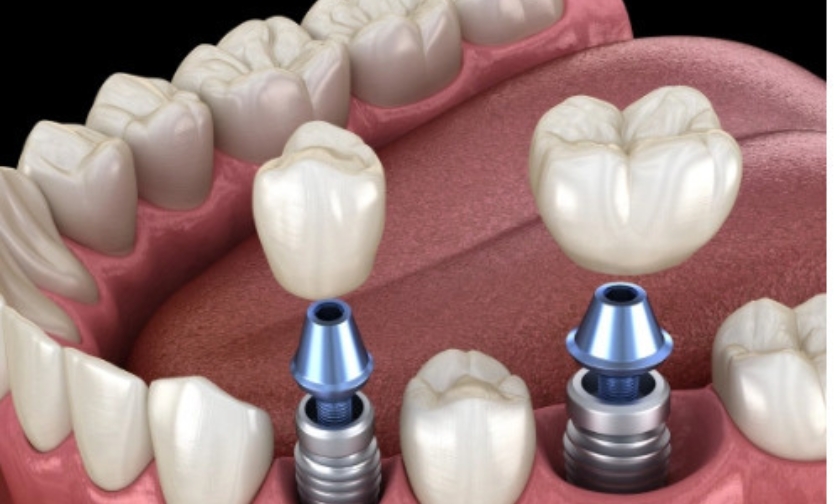
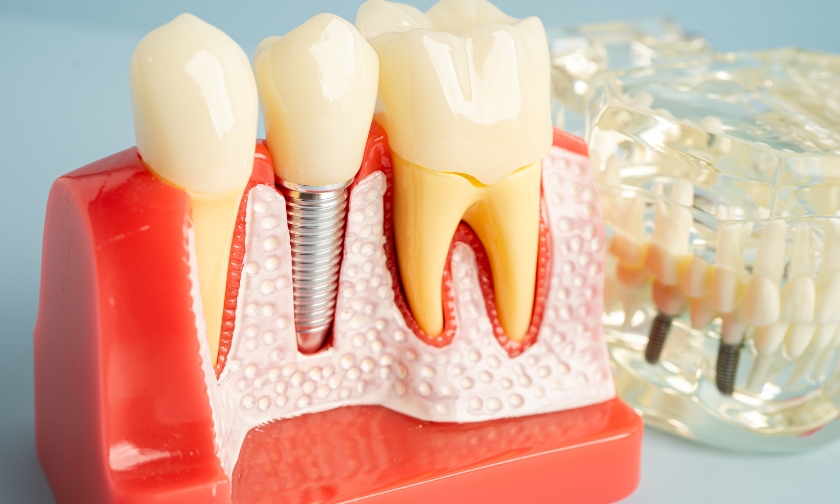
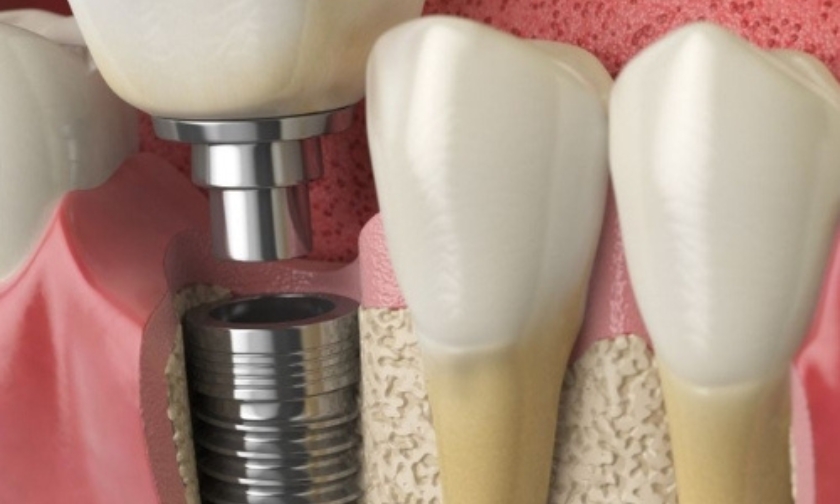
Dental implants are artificial tooth roots that are surgically placed into the jawbone to replace missing teeth. Made from biocompatible materials like titanium, implants provide a durable foundation for replacement teeth. Unlike dentures or bridges, implants are anchored directly into the bone, offering a more permanent solution.
The procedure involves placing a small titanium post into the jawbone, where it integrates over time, creating a strong and stable foundation for a crown, bridge, or even a full set of teeth. This process is known as osseointegration. Once the implant has fused with the bone, it acts just like a natural tooth root, providing stability and helping to preserve the bone structure.
The benefits of these artificial tooth roots go beyond just replacing missing teeth. They restore your ability to chew efficiently, improve speech, and support the overall health of your mouth. By preventing bone loss, dental implants in Seattle can also help maintain the shape of your face and jaw, contributing to a more youthful appearance.
The Brain-Chewing Connection
Chewing isn’t just a mechanical action. It’s a crucial process that stimulates brain activity. When we chew, it increases blood flow to the brain, promoting the release of neurotransmitters that help maintain cognitive function. In fact, studies have shown that regular chewing can activate brain regions associated with memory, concentration, and problem-solving. This is why it’s often said that the act of chewing can keep the mind sharp, especially as we age.
However, when people are missing teeth, they tend to chew less efficiently. This reduced chewing activity leads to less stimulation for the brain. Over time, this lack of stimulation can potentially impact cognitive abilities. For example, a decline in chewing function has been linked to an increased risk of developing conditions like dementia or Alzheimer’s disease.
The concept of “chewing efficiency” is important here. The more efficiently you chew, the more you engage your brain. This is why maintaining good oral health is so critical, especially when it comes to replacing missing teeth. Without proper chewing, the brain doesn’t receive the same level of stimulation, potentially leading to cognitive decline.
How Dental Implants Help Maintain Brain Health
Restoring Chewing Function
Dental implants play a pivotal role in restoring the natural chewing ability of individuals who have lost teeth. Unlike dentures or bridges, which may shift or cause discomfort, these prosthetic teeth are securely anchored into the jawbone, providing a stable and durable solution for chewing. This restoration of function helps individuals eat a variety of foods with ease, ensuring that they can maintain a balanced diet.
The process of chewing does more than just break down food. It stimulates the brain. When we chew, the movement activates sensory receptors in the jaw and mouth, which send signals to the brain.
This stimulation promotes better blood flow, enhances the production of neurotransmitters, and helps maintain cognitive functions such as memory, concentration, and problem-solving. By restoring chewing function, implants play a direct role in keeping the brain active, supporting mental clarity, and overall cognitive health.
Studies Linking Oral Health to Brain Function
Research has increasingly shown that oral health is closely tied to brain function. A study published in the Journal of Alzheimer’s Disease found that individuals with missing teeth and those who struggled with chewing exhibited signs of cognitive decline at a faster rate than those who maintained normal chewing ability. The loss of teeth, which leads to reduced chewing efficiency, can diminish the brain’s stimulation, potentially accelerating cognitive decline.
Another study highlighted in The Journal of Clinical Periodontology revealed that restoring chewing function with dental implants improved cognitive abilities in older adults. These studies suggest that the brain benefits from the stimulation provided by chewing, which implants help restore. By addressing tooth loss and promoting regular chewing, these artificial tooth roots can play a key role in slowing the progression of cognitive decline, enhancing both brain function and quality of life.
In essence, implants not only restore oral health but also serve as an investment in your long-term brain health.
The Broader Benefits of Dental Implants
While the connection between dental implants and brain health is fascinating, the benefits of implants go well beyond just the cognitive realm. First and foremost, implants can dramatically improve your physical and emotional well-being.
Physical Health: These prosthetic tooth roots prevent bone loss in the jaw, which often occurs when teeth are missing. Without the stimulation from a tooth root, the bone in the jaw deteriorates over time. Implants restore this stimulation, helping to maintain the bone structure and prevent further loss.
Emotional Well-being: Losing teeth can significantly impact self-esteem. Many individuals feel self-conscious about their smile, which can affect their social interactions. Dental implants help restore confidence by giving patients a natural-looking smile and the ability to eat, speak, and laugh without worry.
Indirect Cognitive Benefits: When you regain your ability to chew properly, it can lead to a greater sense of well-being. You’re more likely to eat a balanced diet, enjoy social interactions, and feel more energetic, all of which contribute to better mental clarity and mood.
Who Should Consider Dental Implants?
Implants are an excellent option for anyone who has lost teeth due to injury, decay, or aging. Ideal candidates for dental implants in Seattle include individuals with healthy gums and adequate bone density to support the implant posts. Even if your jawbone has lost density due to missing teeth, procedures like bone grafting can help prepare the area for implants.
Patients who experience discomfort or difficulty chewing with dentures may also benefit from these artificial tooth roots, as they offer a more secure and comfortable solution. If you’re struggling with missing teeth and want to improve both your oral health and brain health, dental implants could be the right choice for you.
At West Seattle Smile Co., we specialize in helping patients regain their smile and restore proper chewing function. Schedule a consultation to discuss whether these artificial tooth roots are the right option for your needs.
Dental implants are more than just a cosmetic solution. They’re a smart investment in your overall health. Not only do they restore your smile, but they also provide vital benefits to your brain health by improving chewing efficiency and stimulating brain function. By preventing bone loss and enhancing cognitive health, implants are a long-term solution that goes beyond the mouth.
If you’re ready to restore your smile and potentially boost your brain health, contact West Seattle Smile Co. to discuss your dental implant options today. Our team is here to help you every step of the way, ensuring a comfortable and effective treatment plan tailored to your needs.
What People Ask
Can dental implants prevent cognitive decline?
While dental implants can’t directly prevent cognitive decline, they help restore chewing efficiency, which may slow brain aging and enhance cognitive health.
Are dental implants linked to mental clarity?
Yes, dental implants promote brain activity through chewing, potentially improving mental clarity, focus, and overall cognitive function.
How long do dental implants last?
With proper care, dental implants can last for many years, providing a durable solution for restoring chewing function and supporting oral health.
Can missing teeth affect brain health?
Yes, missing teeth can reduce chewing efficiency, which can negatively impact brain stimulation and lead to faster cognitive decline.
Do dental implants help with self-esteem?
Yes, dental implants restore a natural-looking smile and improve speech, which can significantly boost self-confidence and emotional well-being.