General & Family Dentistry

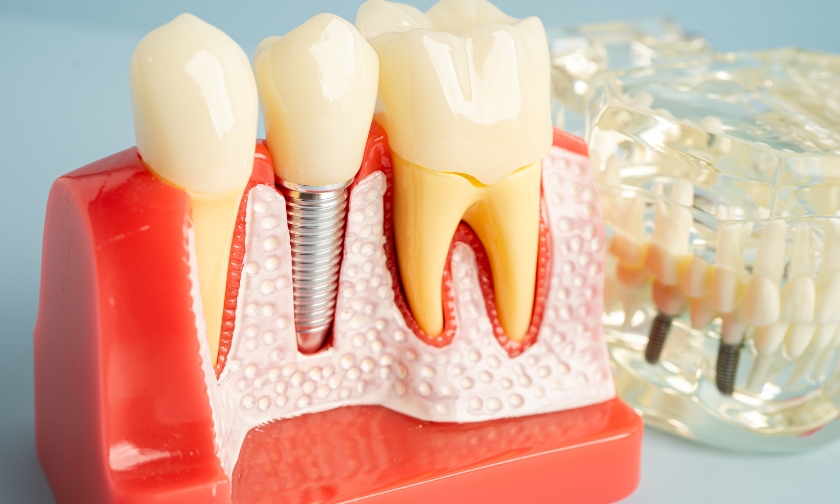
Have you ever thought about how the health of your mouth impacts the success of dental implants? It’s more than just brushing and flossing. Your oral microbiome plays a crucial role in your overall dental health. For those considering implants, understanding the importance of balancing your oral microbiome is essential.
The oral microbiome consists of the bacteria and microorganisms that naturally live in your mouth. Maintaining a healthy balance of these microorganisms is key to ensuring your implants integrate properly and stay secure over time.
A balanced oral microbiome promotes gum health and prevents infections, which is vital after implant surgery. If you’re looking to ensure the long-term success of your dental implants, it’s time to give attention to your oral microbiome and keep it in check.
What is the Oral Microbiome?
The oral microbiome refers to the vast community of bacteria, fungi, viruses, and other microorganisms that naturally reside in your mouth. Much like the ecosystem in a forest, your mouth’s microbiome has a delicate balance that can affect your oral health. While many of these microorganisms are beneficial and support processes like digestion, some can be harmful when they proliferate. The key is maintaining this balance to ensure a healthy environment.
Balance vs. Imbalance
A balanced oral microbiome means that beneficial bacteria outnumber harmful ones. This helps prevent the growth of pathogenic bacteria that could lead to gum disease, cavities, and other oral health issues. For example, the right balance of bacteria can keep your gums healthy, fight bad breath, and ensure that your teeth stay strong.
On the other hand, an imbalanced microbiome, where harmful bacteria overwhelm the good ones, can result in gum inflammation, infection, and plaque buildup. This imbalance is linked to conditions like periodontal disease, which can weaken the gums and jawbone, hindering the success of dental implants.
Understanding this balance is crucial for patients considering dental implants in Seattle, as poor oral health could lead to implant failure or complications like peri-implantitis, an infection that affects the tissue around implants.
How the Oral Microbiome Affects Dental Implants
Dental Implant Integration
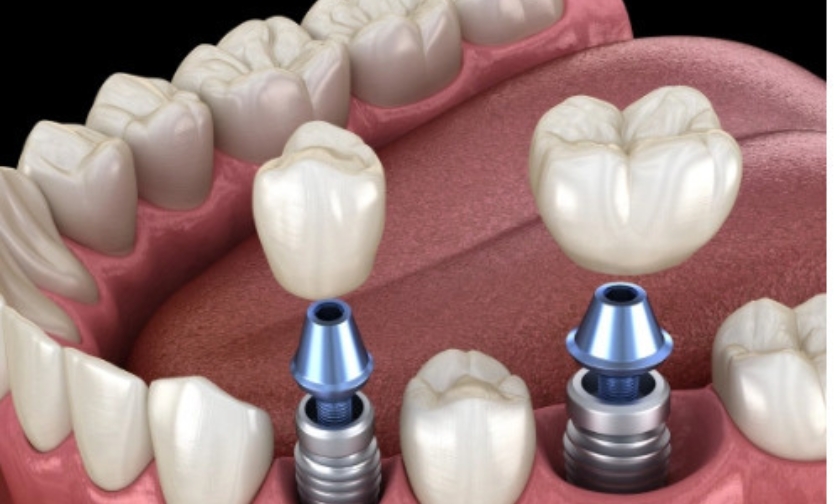
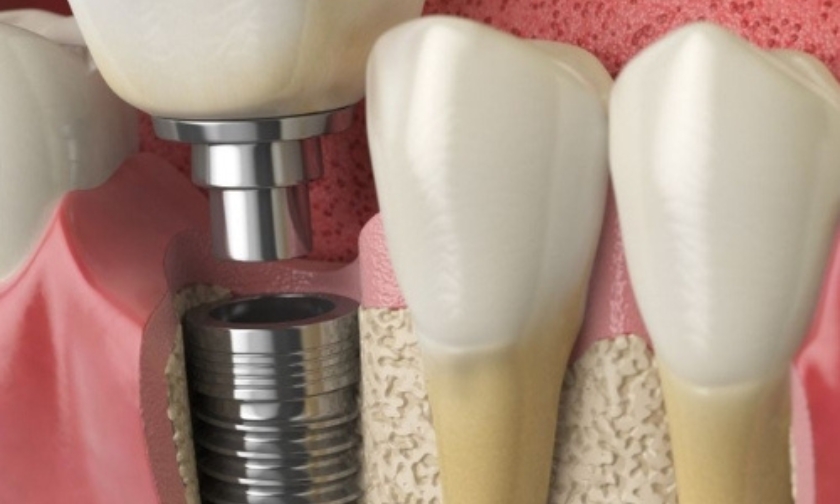
The health of your oral microbiome directly impacts the success of your dental implants. After receiving an implant, your body goes through a process called osseointegration, where the implant fuses with the jawbone.
For this process to be successful, the surrounding tissue and gums must be healthy. A balanced microbiome is crucial because it helps keep the gums and surrounding tissues free of infection and inflammation.
When the oral microbiome is in balance, beneficial bacteria help maintain a clean and healthy environment around the implant site. However, when harmful bacteria are allowed to grow unchecked, they can cause inflammation, gum disease, and slow down the osseointegration process. This can jeopardize the implant’s stability and ultimately lead to failure if not addressed.
Risk Factors
Several risk factors can compromise the balance of the oral microbiome, increasing the likelihood of complications after implant surgery. One of the most significant factors is periodontal disease. When gum disease is present, it weakens the gums and jawbone, making them more vulnerable to infection and less likely to support dental implants properly.
Another risk is poor oral hygiene. If plaque and bacteria aren’t regularly removed, they can accumulate around the implant site, leading to bacterial overgrowth. This can cause gum irritation and inflammation, making the healing process longer and more complicated.
Smoking is another major risk factor, as it reduces blood flow to the gums, impairing the body’s ability to heal after implant surgery and promoting the growth of harmful bacteria.
Inflammation and Infection
One of the biggest concerns with an imbalanced oral microbiome is the risk of inflammation and infection. When harmful bacteria overwhelm the good bacteria in your mouth, they can cause gum inflammation, leading to peri-implantitis, a severe infection that affects the tissues surrounding the dental implant.
Peri-implantitis can lead to painful swelling, bleeding gums, and the eventual loss of the implant if not treated promptly. The bacteria that cause this infection can break down the bone around the implant, interfering with the osseointegration process and preventing the implant from securely bonding with the jawbone.
Inflammation due to an imbalanced microbiome can also increase the risk of implant failure over time. This is why it’s essential to maintain a balanced oral microbiome not just during the implant procedure, but throughout the life of the implant to ensure lasting success.
Maintaining good oral hygiene, following a balanced diet, and regularly visiting your dentist at West Seattle Smile Co. can all contribute to keeping your oral microbiome in check, reducing the risk of these complications.
Tips to Balance Your Oral Microbiome for Implant Success
Balancing your oral microbiome isn’t a one-time fix. It’s an ongoing commitment to good oral health. Here are some practical tips to help ensure the success of your implants:
Proper Oral Hygiene
The foundation of any healthy microbiome starts with good oral hygiene. Make sure to:
- Brush twice a day with a soft-bristled toothbrush.
- Floss daily to remove plaque from between your teeth and along the gumline.
- Use an antibacterial mouthwash to reduce harmful bacteria and prevent plaque buildup.
Diet and Nutrition
Your diet plays a significant role in maintaining a balanced oral microbiome. Eating foods that are rich in:
- Fiber: Helps clean teeth and gums, while promoting healthy digestion.
- Probiotics: Foods like yogurt, kefir, and kimchi can introduce beneficial bacteria that support oral health.
- Anti-inflammatory foods: Incorporating omega-3 fatty acids, such as those found in fish and flaxseeds, can reduce inflammation and support a healthy microbiome.
Avoiding processed foods and sugary snacks is equally important. Sugar feeds harmful bacteria, encouraging their growth and throwing the microbiome out of balance.
Avoid Harmful Habits
Certain habits can damage your oral microbiome. For example:
- Smoking: Increases harmful bacteria and impairs gum health, making it more difficult for implants to take hold.
- Excessive alcohol: Can dry out the mouth, leading to an imbalance in the bacteria levels.
- Excessive sugar: Encourages the growth of bad bacteria, which can lead to cavities and gum disease.
Regular Dental Check-ups
Routine dental visits are essential for maintaining a healthy microbiome, especially after receiving dental implants in Seattle. Regular cleanings remove plaque and tartar, helping to keep bacteria in check. Your dentist at West Seattle Smile Co. can also monitor the condition of your gums and implants to ensure they’re healing properly.
How Professional Treatments Can Help
Maintaining a balanced oral microbiome isn’t just about personal care. It also involves professional treatments that can help support your oral health.
Professional Cleaning
Even with the best home care, plaque and bacteria can accumulate in hard-to-reach areas. Professional cleanings at West Seattle Smile Co. remove harmful buildup and prevent infection, ensuring that the healing process around your dental implants goes smoothly.
Probiotics and Treatments
Emerging treatments like probiotics specifically for oral health are becoming more popular. These probiotics help maintain a healthy bacterial balance in your mouth, promoting the growth of good bacteria while keeping harmful bacteria in check. Ask your dentist about incorporating oral probiotics into your care routine.
Laser Therapy and Other Innovations
Advanced dental technologies, like laser therapy, are also making a difference in managing the oral microbiome. Lasers can target harmful bacteria and promote tissue regeneration around implants, enhancing the healing process. These innovations support your long-term implant success by maintaining a healthy environment.
Balancing your oral microbiome is crucial for the success of dental implants. By practicing good oral hygiene, maintaining a healthy diet, avoiding harmful habits, and scheduling regular dental visits, you can ensure the long-term success of your implants. If you’re considering implants or have already received them, make sure to stay proactive about your oral health.
At West Seattle Smile Co., we are committed to supporting your dental health. Schedule an appointment with us today to discuss how you can maintain a healthy oral microbiome for the best possible implant results.
Frequently Asked Questions
Can poor hygiene affect the success of dental implants?
Yes, poor oral hygiene can lead to harmful bacteria buildup around the implant, increasing the risk of infection and complications during the healing process.
How can smoking affect my dental implants?
Smoking reduces blood flow to the gums, impairs healing, and increases the presence of harmful bacteria, making it harder for the implant to integrate with the bone.
Can diet affect my oral microbiome?
Yes, a diet rich in fiber, probiotics, and anti-inflammatory foods supports a healthy microbiome, while sugary and processed foods can disrupt it.
What can I do to keep my oral microbiome balanced?
Practice good oral hygiene, eat a balanced diet, avoid smoking, and visit your dentist regularly to maintain a healthy oral microbiome and support your implants.
How often should I visit the dentist after getting dental implants?
Regular check-ups are crucial, especially during the first year, to monitor the health of your gums and implant, ensuring no infection or complications arise.