General & Family Dentistry

Managing blood sugar isn’t just essential for overall health. It’s a key factor in ensuring your dental implants heal properly. High or fluctuating blood sugar can hinder the body’s ability to heal and increase the risk of complications, making blood sugar control a crucial element in the success of implant procedures. At West Seattle Smile Co., we believe that good oral health goes hand-in-hand with healthy blood sugar levels.
This blog will guide you through practical steps to help manage your blood sugar effectively, ensuring your implants have the best chance of success. Whether you’re already a patient at our practice or considering implants, this information will provide you with the tools to improve your healing process and optimize the long-term benefits of your implant procedure.
Understanding the Connection Between Blood Sugar and Dental Implants
Impact of Blood Sugar on Healing
Blood sugar levels play a significant role in how well your body heals after any surgical procedure, including implants. For individuals with poorly controlled blood sugar, especially those with diabetes, healing can be slower, and the risk of infection increases.
When blood sugar is high, the body’s immune response is weakened, making it harder to fight off infections that could affect the success of your dental implants in Seattle.
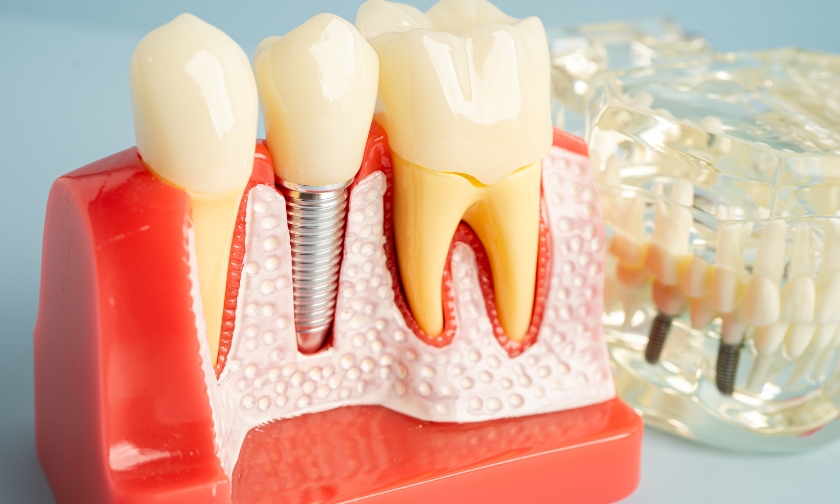
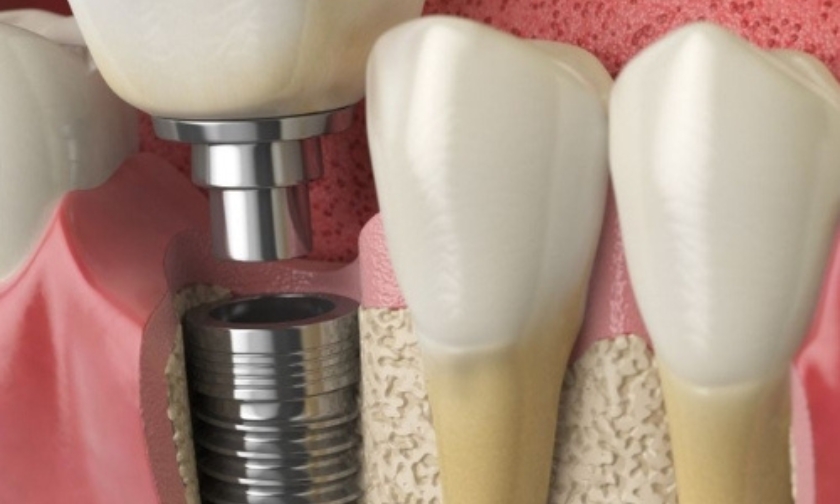
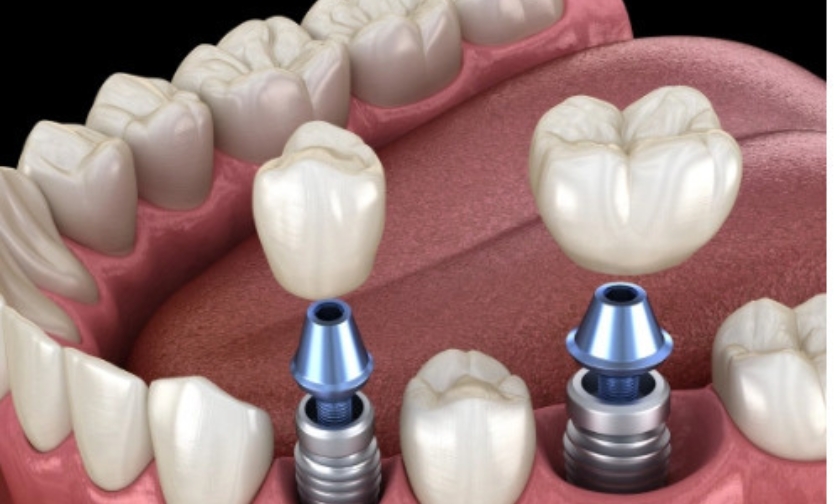
Moreover, high blood sugar can cause the gums and surrounding tissue to become inflamed, further complicating the healing process. This can hinder the integration of the implant with the bone, a crucial process known as osseointegration.
Scientific Insights
Studies show a clear correlation between blood sugar control and the success of these artificial tooth roots. Research from the Journal of Clinical Periodontology found that individuals with well-managed blood sugar had a much higher success rate with implants compared to those with poor control. Properly managing your blood sugar not only reduces the risk of complications but also helps ensure that your dental implants bond properly and remain secure.
How to Manage Blood Sugar for Better Dental Implant Results
Step 1: Monitor Your Blood Sugar Levels Regularly
Why It’s Important
Regular monitoring is essential in maintaining healthy blood sugar levels, particularly in the weeks leading up to your dental implant surgery. By tracking your blood sugar, you can stay on top of any spikes or drops and adjust your diet, exercise, or medication accordingly. Consistency is key to avoiding complications during the healing phase of your implant procedure.
How to Monitor
There are several ways to monitor your blood sugar levels effectively. Traditional glucometers, continuous glucose monitors (CGMs), and regular check-ups with your healthcare provider are all great options. A CGM offers the convenience of tracking your blood sugar continuously, which can be particularly helpful for managing your levels in real time.
When to Check
The best times to check your blood sugar are typically before meals and two hours after eating. This gives you a clear picture of how your body is responding to food and insulin (if applicable). Monitoring at these intervals ensures you’re consistently within a healthy range.
Step 2: Follow a Healthy Diet
Balanced Diet for Blood Sugar Control
A balanced diet is crucial for managing blood sugar and ensuring that your body has the nutrients it needs for optimal healing. Focus on incorporating whole grains, lean proteins, healthy fats, and plenty of vegetables into your meals. These foods are lower on the glycemic index, meaning they have a smaller impact on blood sugar levels.
Avoid Sugary and Processed Foods
Sugary snacks and processed foods can cause rapid spikes in blood sugar, making it harder to maintain stable levels. During your implant treatment, it’s especially important to avoid these foods to promote healing and prevent complications. Stick to foods that release sugar slowly into the bloodstream, such as whole grains, nuts, and legumes.
Hydration and Its Role
Staying hydrated is an often-overlooked but vital aspect of managing blood sugar. Drinking plenty of water helps maintain healthy blood circulation and assists in keeping blood sugar levels stable. Avoid sugary drinks or excessive caffeine, which can cause dehydration and spikes in blood sugar.
Step 3: Exercise Regularly
Exercise Benefits for Blood Sugar
Physical activity is one of the most effective ways to regulate blood sugar. Regular exercise improves insulin sensitivity, allowing your body to use insulin more effectively, which helps keep blood sugar levels stable. A consistent workout routine can also promote healthy circulation and contribute to faster healing after your prosthetic teeth are placed.
Types of Exercise
Both aerobic exercises, such as walking or swimming, and strength training can be beneficial. Aerobic exercises help regulate blood sugar levels, while strength training increases muscle mass and improves overall metabolism. Talk to your doctor before beginning any new exercise routine, especially leading up to your implant surgery.
Consistency is Key
For best results, aim to exercise most days of the week. Whether it’s a brisk walk around West Seattle or a yoga session, regular physical activity will support your blood sugar management and enhance your recovery process after implant surgery.
Step 4: Take Medications as Prescribed
Working with Your Doctor
If you have diabetes or another condition affecting your blood sugar, it’s important to take your medications as prescribed. Work closely with your doctor to find the right treatment plan for your specific needs. Medications like insulin or metformin are commonly prescribed to help keep blood sugar under control.
Medications to Watch
Certain medications, such as insulin or oral medications for diabetes, can help maintain stable blood sugar levels. Be sure to inform your dentist at West Seattle Smile Co. about any medications you’re taking before your implant surgery so that they can adjust the treatment plan accordingly if needed.
Consult Before Surgery
Before undergoing dental implant surgery, it’s important to consult your dentist about any changes to your medication. Ensuring that your blood sugar is stable leading up to the surgery will significantly improve your chances of successful healing.
Step 5: Manage Stress Effectively
How Stress Affects Blood Sugar
Stress is a major factor in blood sugar fluctuations. When you’re stressed, your body produces stress hormones that can raise blood sugar levels, making it harder to manage. During the dental implant process, minimizing stress is crucial for both your mental and physical well-being.
Stress-Relief Techniques
Incorporating relaxation techniques like meditation, deep breathing, and yoga into your routine can help lower stress levels and improve blood sugar control. Taking time for yourself to unwind after a busy day in West Seattle can not only improve your implant healing process but also enhance your overall health.
Healthy Lifestyle
A holistic approach to wellness, which includes managing stress, eating a balanced diet, and exercising regularly, will contribute to both your mental and physical health during the implant process.
Step 6: Regular Dental Check-Ups
Why Check-Ups Matter
Regular dental check-ups are essential for monitoring your implant progress and ensuring that your gums and surrounding tissues are healing properly. At West Seattle Smile Co., we will track your recovery and ensure that your blood sugar management is supporting the healing process.
Collaboration with Your Dentist
Open communication with your dentist about your blood sugar control and how it may impact your healing process is crucial. We are here to help guide you through every step of the recovery journey, from initial consultation to post-surgery care.
The Importance of Post-Surgery Blood Sugar Control for Implant Longevity
After your implants have been placed, maintaining proper blood sugar control is just as important as it was before surgery. Post-surgery, your body needs to maintain stable blood sugar to continue the healing process effectively. Fluctuating blood sugar levels can cause inflammation, infection, or gum issues, all of which can affect the long-term success of your dental implants in Seattle.
By sticking to the blood sugar management strategies discussed earlier, you can reduce the risk of complications and ensure that your implants integrate seamlessly with your jawbone. Regular follow-ups with your dentist, along with consistent blood sugar monitoring, will also help keep your implants functioning properly for years to come.
Managing your blood sugar is a crucial step toward achieving the best results from your dental implant procedure. By following these steps, monitoring your blood sugar, eating a balanced diet, exercising regularly, taking your medications, managing stress, and keeping up with dental check-ups, you can greatly enhance your chances of successful implant healing and long-term success.
If you’re ready to take control of your blood sugar and improve the outcomes of your implants, contact West Seattle Smile Co. today to schedule a consultation. Let us guide you through a smooth and successful dental implant journey.
What People Want to Know
How often should I check my blood sugar before implant surgery?
It’s recommended to check your blood sugar before meals and two hours after eating to maintain stable levels.
What kind of diet helps with blood sugar control?
A balanced diet with whole grains, lean proteins, and low-glycemic foods helps regulate blood sugar and supports implant healing.
Can stress affect my blood sugar and implant healing?
Yes, stress can increase blood sugar levels and hinder the healing process, so managing stress is important for implant success.
What happens if my blood sugar isn’t controlled during recovery?
Poor blood sugar control can lead to infections, delayed healing, or implant failure, which is why maintaining stable blood sugar is essential.
What medications should I take for blood sugar control before surgery?
Follow your doctor’s prescribed medications, such as insulin or metformin, to keep blood sugar stable before and after surgery.