General & Family Dentistry

In today’s world, where sustainability is at the forefront of many conversations, millennials are beginning to prioritize eco-friendly choices in all aspects of life, including healthcare. One area that is often overlooked in terms of sustainability is dental care.
Early tooth loss is a growing concern for millennials, and with the increasing awareness of environmental responsibility, the question arises: How can millennials address early tooth loss while making an environmentally responsible choice? The answer lies in dental implants, a long-lasting, durable, and sustainable option.
Understanding Early Tooth Loss in Millennials
Tooth loss, once thought to be a condition mainly affecting older adults, is becoming increasingly common among millennials. Studies suggest that up to 1 in 4 adults aged 20 to 64 in the U.S. have lost at least one tooth due to various factors. While the reasons for early tooth loss are complex, some of the main contributors include poor oral hygiene, unhealthy diet and lifestyle choices, genetics, and habits such as smoking and vaping.
Millennials, in particular, face unique challenges when it comes to maintaining good oral health. With busy schedules and a tendency to skip regular dental visits, the impact of poor oral hygiene becomes more pronounced. Diets high in sugar and acidic foods, combined with a preference for fast food, also contribute to early tooth decay and eventual tooth loss.
Furthermore, smoking and vaping habits often prevalent in younger generations, can have a direct impact on gum health, leading to increased risks of tooth loss.
The rise of these factors has made early tooth loss a growing concern, especially among millennials. Beyond the physical consequences, the emotional toll of losing teeth at a young age can be significant, affecting self-esteem and confidence.
The Impact of Early Tooth Loss on Millennials
Losing teeth in your twenties or thirties can have profound emotional and psychological effects. For millennials who grew up in a time where social media and self-image were highly emphasized, the loss of a tooth, or several, can take a serious toll on self-esteem. The emotional ramifications often include feelings of embarrassment or shame, leading to a reluctance to smile or engage socially.
On top of these emotional effects, early tooth loss can have several physical consequences. When teeth are lost prematurely, the remaining teeth often shift, causing misalignment. This misalignment can make it more difficult to eat certain foods, affecting your diet and overall nutrition. Additionally, the bone structure of the jaw may begin to deteriorate without the stimulation provided by natural teeth, which can lead to further oral health complications.
Over time, the impact on facial appearance can also become more apparent. Without the support of the teeth, the face may begin to sag, and the natural jawline may become less pronounced. This, in turn, can affect a person’s confidence and even their ability to chew and speak clearly.
The influence on self-esteem and overall health cannot be overstated. Early tooth loss goes beyond just a cosmetic concern. It affects daily life, impacting both physical and emotional well-being. For millennials, addressing this issue in a way that benefits not only their smile but the environment is becoming an increasingly important factor to consider.
What Makes Implants the “Green” Choice?
Dental implants are a great solution for millennials who are concerned about both their oral health and the environment. Unlike traditional dentures and bridges, which often need to be replaced over time, dental implants in Seattle are designed to last a lifetime with proper care. This long-term durability makes implants a more sustainable choice, reducing the waste associated with frequent replacements.
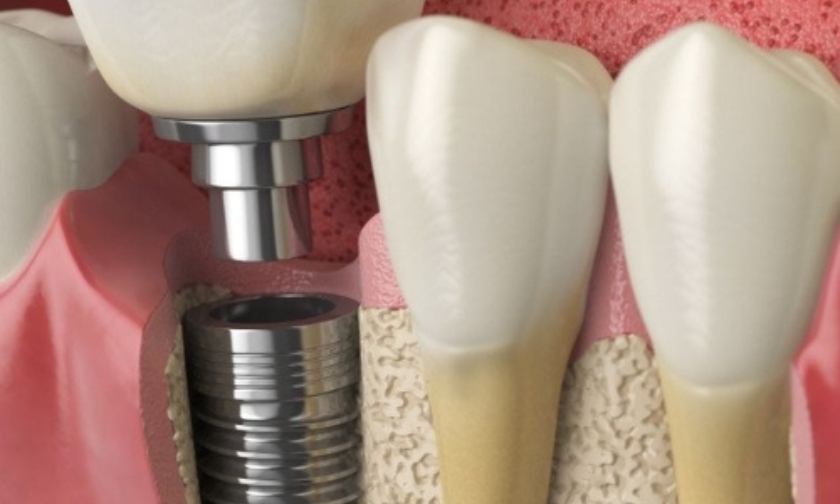
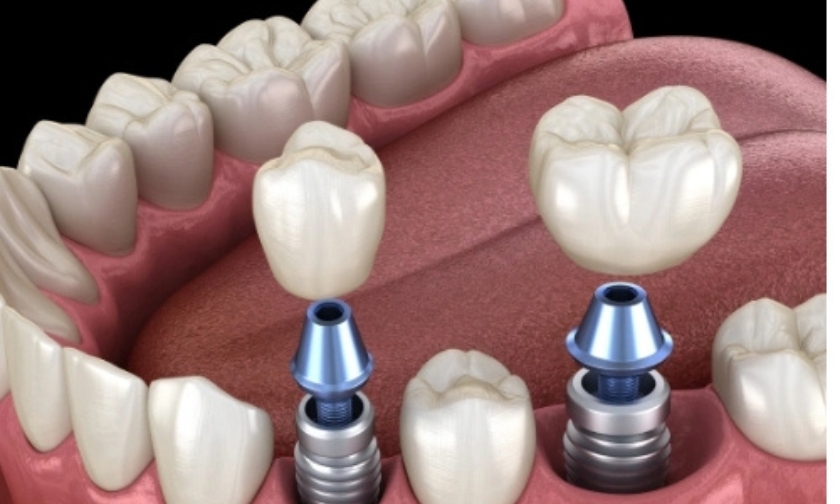
Implants work by replacing the root of a lost tooth with a titanium post that fuses with the jawbone. This integration ensures that the implant functions just like a natural tooth, both aesthetically and functionally. Additionally, implants require minimal maintenance compared to other options like dentures, which need to be repaired or replaced regularly.
When considering environmental impact, implants are made from biocompatible materials that are both durable and environmentally friendly. They eliminate the need for products like dentures and bridges, which often contribute to waste and environmental harm over time.
Moreover, the carbon footprint of dental implants is lower than that of alternatives, as the materials used are long-lasting and require fewer replacements, thus reducing the overall environmental impact.
Environmental Benefits of Choosing Dental Implants
Dental implants contribute significantly to a more sustainable dental care routine. Unlike dentures, which need to be replaced every few years, dental implants are a one-time investment that can last a lifetime with proper care.
This means fewer resources are used over time, and less waste is produced. The need for replacement dentures or bridges is a major contributor to plastic waste, while dental implants remain a long-term solution that keeps environmental impact low.
Additionally, the materials used in dental implants in Seattle, such as titanium, are highly recyclable. This further reduces the environmental toll of dental care, as implants that need to be replaced can often be recycled into new products. By opting for implants, millennials are making a choice that supports the planet as much as it supports their smile.
In the broader context of sustainability in the dental industry, advancements are also being made in eco-friendly dental products, such as biodegradable toothbrushes and natural toothpaste. By choosing dental implants, millennials contribute to the growing movement toward more environmentally conscious healthcare practices.
Additional Benefits of Implants for Millennials
Dental implants not only offer an environmentally responsible choice but also provide a number of personal benefits for millennials. For those who have suffered from early tooth loss, implants offer a more natural look and feel compared to dentures or bridges. The titanium post used in dental implants fuses with the jawbone, ensuring a secure fit that makes it feel like a natural tooth.
Implants are also easier to maintain. Unlike dentures, which require regular cleaning and adjustments, implants require only regular brushing and flossing, just like natural teeth. This makes them a convenient, low-maintenance option for busy millennials who want a hassle-free solution to tooth loss.
Another key benefit of dental implants is that they help preserve the jawbone. When teeth are lost, the jawbone begins to shrink due to the lack of stimulation. Implants act as a replacement root, stimulating the bone and preventing further deterioration. This helps maintain facial structure and overall oral health, providing long-term benefits for those who choose implants.
For millennials facing early tooth loss, dental implants offer a sustainable and long-term solution. Not only do they provide a natural, durable replacement for lost teeth, but they also contribute to a greener future by minimizing waste and using eco-friendly materials. Choosing implants allows millennials to take control of their oral health while making an environmentally responsible decision.
At West Seattle Smile Co., we’re committed to providing top-notch dental care that aligns with both your health and environmental values. Are you ready to take the next step toward a healthier smile and a greener future? Contact us today to schedule your consultation and learn more about the benefits of dental implants!
What People Want to Know?
How long do dental implants last?
With proper care, dental implants can last a lifetime, making them a long-term, sustainable solution for tooth loss.
Do dental implants require special care?
No, dental implants require the same care as natural teeth—regular brushing, flossing, and dental check-ups are sufficient.
What is the recovery time for dental implants?
Recovery time typically ranges from 3 to 6 months, allowing the implant to fuse with the jawbone for a secure fit.
Are dental implants suitable for everyone?
Most people with good oral health and sufficient jawbone density are candidates for dental implants, but a consultation is necessary to determine suitability.
How much maintenance do dental implants require?
Dental implants require the same care as natural teeth: regular brushing, flossing, and routine dental check-ups to ensure long-term success.