General & Family Dentistry

Have you been wearing dentures for years and wondering if implants are the next step for you? If you’ve had dentures for 10 years, you may be considering whether dental implants could offer you a permanent, more comfortable alternative. The transition from dentures to implants is possible, but there are a few factors to consider.
By the end of this blog, you’ll have a clear understanding of whether implants are a good fit for your situation and how they can potentially transform your dental health. Let’s explore how dental implants can give you the smile you’ve always wanted and why it might be the right time for a change.
Understanding Dentures and Implants
What Are Dentures?
Dentures are removable appliances that replace missing teeth and surrounding tissue. Whether full or partial, they are designed to restore the appearance and function of your smile when you’ve lost natural teeth.
For many people, dentures are a reliable solution, offering improved aesthetics and the ability to chew. However, they come with their own set of challenges, such as slipping, discomfort, and the need for periodic adjustments.
What Are Dental Implants?
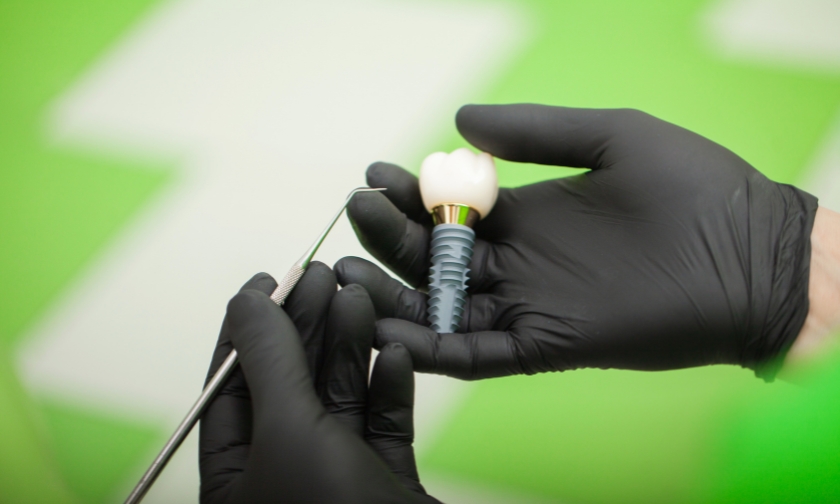
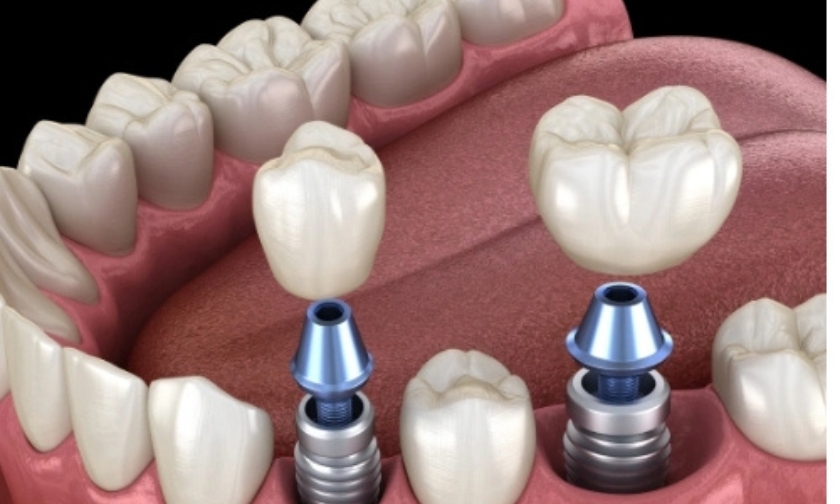
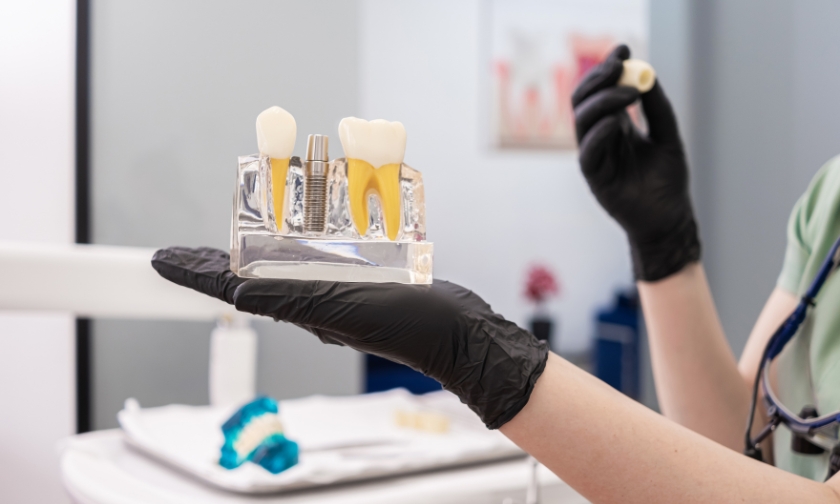
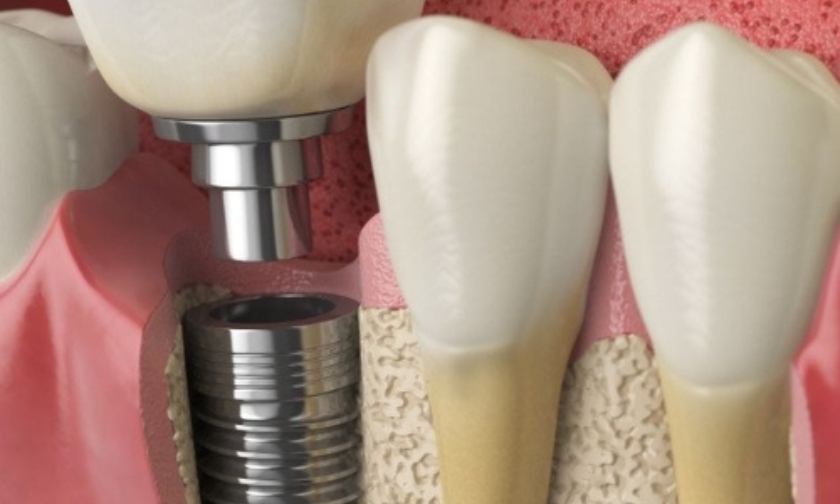
Dental implants are a more permanent solution to missing teeth. These titanium posts are surgically placed into the jawbone, acting as a replacement for the tooth root. Once the implant integrates with the bone, a crown, bridge, or denture can be placed on top. Unlike dentures, implants don’t slip or require adhesives, and they look and function like natural teeth. The result is a comfortable, stable solution that can last for decades.
While dentures may serve their purpose, dental implants in Seattle are known for their longevity, better functionality, and more natural feel. As a result, many people with long-term dentures, like those wearing them for 10 years, consider dental implants when they seek a more permanent and effective tooth replacement option.
Can You Get Implants After Wearing Dentures for Years?
Yes, It’s Possible
If you’ve worn dentures for 10 years, you may be wondering if dental implants are an option for you. The good news is, yes, it’s entirely possible to transition from dentures to implants after many years.
While the process may require some adjustments based on your individual needs, many patients successfully make the switch. The first step is to consult with a dentist, who will evaluate your oral health, bone density, and overall suitability for implants.
Key Considerations
- Bone Density: Long-term denture wear can lead to bone resorption, where the jawbone deteriorates due to the lack of tooth roots. This is one of the key factors dentists consider when evaluating whether implants are feasible. In some cases, bone grafting may be needed to restore the bone structure.
- Oral Health: Your overall oral health will play a role in your candidacy for dental implants. If you have healthy gums and sufficient bone mass, you’re a likely candidate for implants.
- Condition of Existing Dentures: If your dentures are in good condition and you’re still comfortable wearing them, transitioning to implants may be smoother. However, your dentist may recommend adjustments based on the state of your current dentures.
Challenges of Transitioning from Dentures to Implants
Bone Loss
One of the most significant challenges when transitioning from dentures to implants is bone loss. After years of wearing dentures, the jawbone may have receded, which can make implant placement more difficult. If bone loss is extensive, your dentist may recommend a bone graft to rebuild the bone structure before implants can be placed.
Gum Recession
Along with bone loss, long-term denture wear can also cause gum recession. This can affect the stability of the implants, and it may require additional procedures, like gum grafting, to ensure a secure foundation for the implants.
Customized Treatment Plans
Because every patient’s situation is unique, your dentist will work with you to create a personalized treatment plan that addresses any issues resulting from prolonged denture use. This may include bone grafting, gum grafting, or other steps to prepare the mouth for implants.
The Process of Getting Implants After 10 Years of Dentures
Initial Consultation
The first step in getting dental implants is scheduling a consultation at West Seattle Smile Co. During this appointment, your dentist will conduct a thorough evaluation, including X-rays and a review of your health history. This helps determine if you have enough bone density to support implants or if bone grafting will be necessary.
Bone Grafting (If Needed)
If bone loss is detected, a bone graft may be recommended. This procedure involves adding bone material to the jaw to encourage the growth of new bone. It may take several months for the graft to integrate with the existing bone before implants can be placed.
Implant Placement & Recovery
Once your jaw is ready, the dental implants will be surgically placed into the bone. The healing process, known as osseointegration, typically takes a few months as the implant fuses with the bone.
During this time, you may be fitted with a temporary denture while the implants heal. Once the integration process is complete, a permanent crown or denture will be placed on top, giving you a fully restored smile.
Benefits of Switching from Dentures to Implants
Improved Comfort
Dental implants offer a level of comfort that dentures simply can’t match. Since implants are anchored directly into the jawbone, they provide a more stable and secure fit, reducing the discomfort associated with dentures slipping or causing sores.
Better Functionality
With implants, you regain much of the functionality of natural teeth. Implants allow you to chew and speak more naturally, without worrying about dentures moving or falling out. This enhances your quality of life and can give you confidence in social settings.
Long-Term Investment
While the initial cost of implants may be higher than that of dentures, they are a long-term investment. Implants can last a lifetime with proper care, whereas dentures may need to be replaced or adjusted every few years. This makes implants a more cost-effective solution in the long run, as you won’t need to worry about repairs, replacements, or constant maintenance.
What to Expect After Implant Placement
Healing Process
After your implants are placed, you’ll need to follow your dentist’s aftercare instructions carefully. This typically involves a healing period of several months during which the implant fuses with the jawbone. During this time, your dentist may prescribe pain management to keep you comfortable.
Aftercare
Once the implants are fully integrated, you’ll need to maintain good oral hygiene and visit your dentist for regular check-ups. This ensures the long-term success of your implants and keeps your gums and teeth healthy.
Expected Results
After the healing period, you can expect a fully restored smile with improved comfort and functionality. Implants feel and function like natural teeth, and with proper care, they can last for many years to come.
Should You Consider Implants?
Personal Considerations
If you’ve been wearing dentures for 10 years, the decision to switch to implants may depend on several factors. Consider the condition of your dentures, your overall oral health, and whether you’re seeking a more permanent, stable solution. Implants offer numerous benefits, but they also require a commitment to the process and aftercare.
Consult Your Dentist
At West Seattle Smile Co., we can help guide you through the decision-making process. Our professional team will assess your situation and provide personalized recommendations based on your oral health and goals. If you’re interested in exploring dental implants in Seattle, schedule a consultation with us today.
In summary, it is possible to get dental implants after wearing dentures for 10 years. With the right preparation, such as addressing bone loss or gum recession, dental implants can offer a permanent, comfortable solution to restore your smile.
If you’re ready to make the transition from dentures to implants, West Seattle Smile Co. is here to help. Contact us today to schedule a consultation and take the next step toward a more confident and functional smile!
People Also Ask
How long does the recovery process take after implant placement?
The healing process can take several months, allowing the implants to fuse with the bone. Full recovery and permanent crowns can take up to 6 months.
How long do dental implants last compared to dentures?
Dental implants can last a lifetime with proper care, while dentures typically need to be replaced or adjusted every few years.
Can I eat normally with dental implants?
Yes, dental implants allow you to eat and chew like natural teeth, giving you more confidence in your daily activities compared to dentures.
How long does the dental implant process take?
The entire process, from consultation to implant placement and healing, typically takes several months, but the results are long-lasting.
Will I need to wear dentures while I wait for implants?
Yes, a temporary denture may be provided during the healing period to ensure you can maintain your smile and functionality until the implants are fully integrated.