General & Family Dentistry

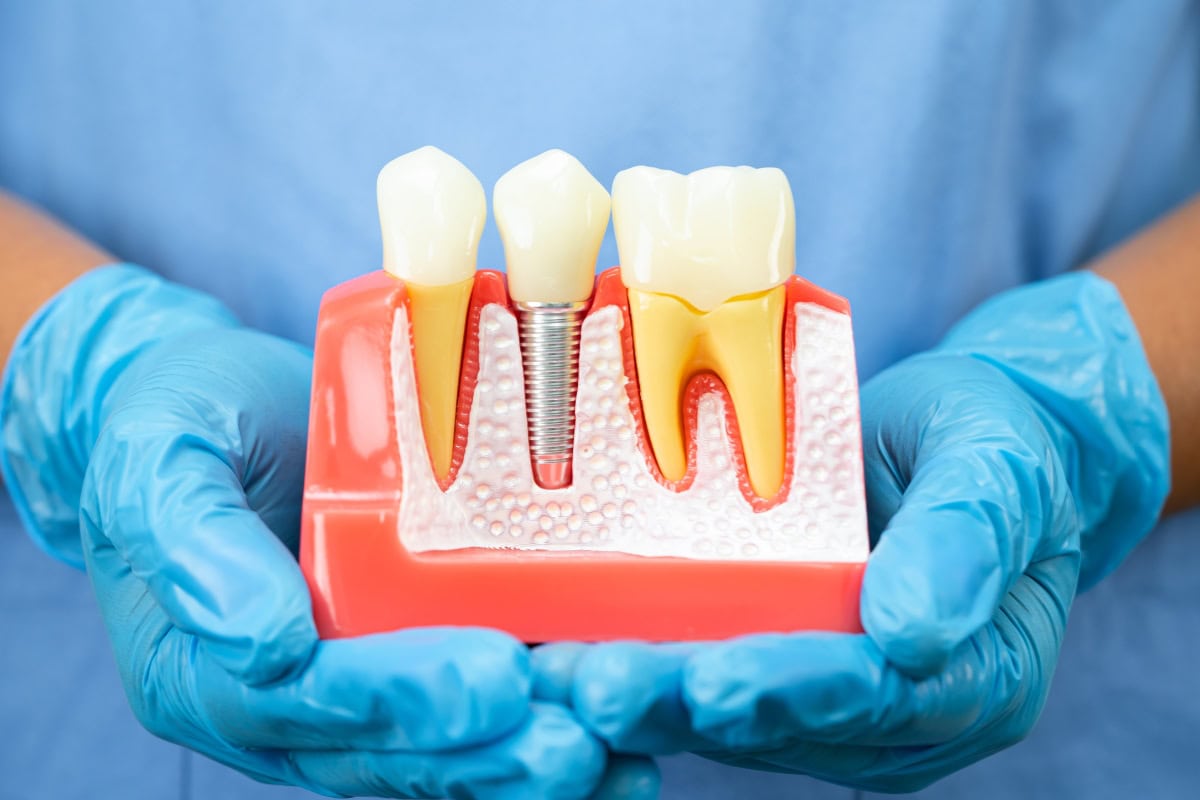
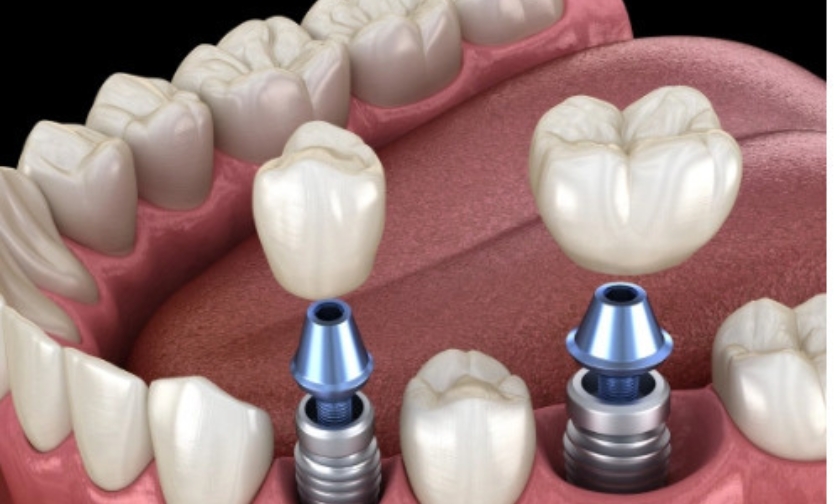
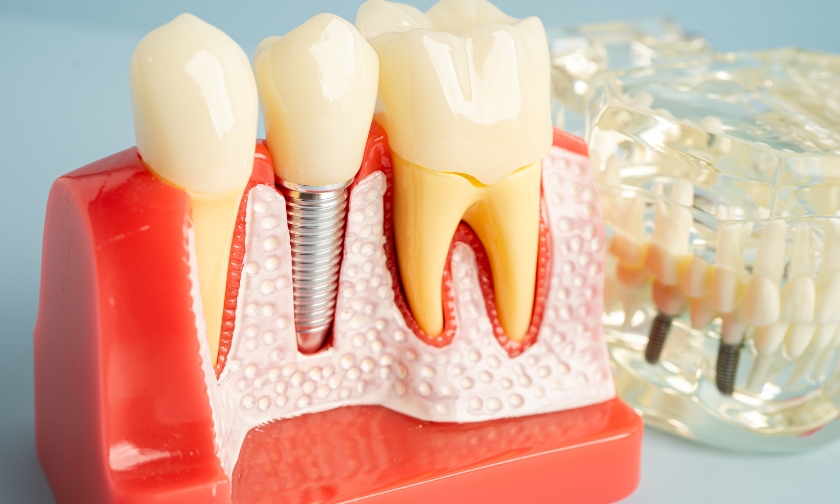
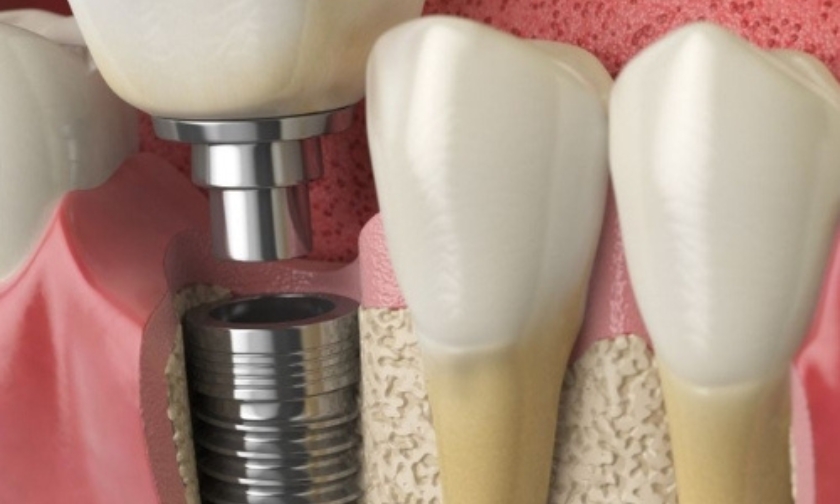
Dental implants recharge the bite, confidence, and quality of teeth with a life-altering belief. They take the place of missing roots to anchor natural-looking crowns that chew, speak, and smile as closely as possible to natural teeth. Their fate rests on professional care, diet, bone density, and oral hygiene.
Dr. Niki Johnston discusses what can cause implants to wear and offers you good care advice for long-lasting preservation. With good care, implants will last for decades and keep your smile and your oral health in general intact.
Understanding the Longevity of Dental Implants
Implants remain for decades with proper oral hygiene. Titanium fuses with the jawbone and provides a secure foundation for replacement teeth. Good oral health and bone density are two of the biggest keys to being successful. Meaningful habits, like not smoking, and healthy gums, are important. Provided the bone structure is healthy, implants are a safe and durable solution for more than 20 years.
According to ADA research, the success rate of dental implants is 90–95% at the ten-year mark. If properly cared for, the clinical success rate for implants is higher than that of bridges and removable dentures. Good oral hygiene and regular professional care can help your dental implants in Seattle last a lifetime. Bimonthly maintenance appointments are supported by research as they drastically increase the success of implants compared to poor oral hygiene.
Factors That Can Shorten Implant Life
Poor dental hygiene allows for bacterial growth and result in infection that destroys the surrounding gum tissue on implants. The use of tobacco inhibits blood flow, delays healing, and reduces jawbone integration. Alcohol interferes with gum tissue and increases the likelihood of implant inflammation.
Teeth grinding applies excess forces to the implant post and crown and causes earlier degradation. Untreated diabetes delays healing and enhances infection risks. Skipping follow-up visits prevents early detection of potential implant issues. Regular professional care maintains healthy and strong implants.
How to Prolong the Life of Your Dental Implants
Daily Habits for Healthy, Strong Implants
Brush twice a day with a soft-bristled toothbrush to remove food and plaque. Floss or use interdental brushes to clean between teeth and implants. Rinse with antibacterial mouthwash to reduce harmful bacteria against the gums.
Regular Dental Checkups and Cleanings
Visit your dentist every half year for full exams and cleaning of teeth. Regular visits prevent gum disease like peri-implantitis. Cleaning teeth removes tartar that typically escapes brushing and secures implants and healthy gums surrounding them.
Diet and Lifestyle Tips
Eat well and avoid sticky or hard foods that may cause stress on implant crowns. Eat calcium-rich foods for strong bones to hold dental implants in Seattle. Restrict alcohol and quit smoking for improved gum healing and implant stability. Take a balanced diet to help strengthen oral tissue and promote bone integration.
When to See Your Dentist
Prolonged swelling or pain along dental implants signifies inflammation. A loose crown or screw requires immediate dental attention. Bleeding or recession can signify an infection surrounding the implant.
Early detection prevents long-term failure of the implant and maintains bone support. Routine checks ensure implants are functionally effective and cause no pain. Report pain or unusual movement in the implant area to your dentist immediately. Timely action ensures the implant’s stability and longevity.
Professional Insights by Dr. Niki Johnston
Dr. Niki Johnston encourages cleanings and checks, and healthy living for long lasting implants. She also suggests flossing and brushing the teeth daily, though not with extremely rough toothpaste or tough equipment. Dr. Johnston advises that letting fluoride products and water contact gums can help keep them healthy. Prevention never lets your investment down, she reminds patients.
Most implants will last a lifetime with the necessary care and follow-ups, Dr. Niki Johnston said. Her experience in the real world means patients enjoy confident smiles long term by caring for implants well.
Dental implants can survive for decades with correct maintenance. With the right cleaning, sensible eating, and professional advice, they last for years. Regular professional check-ups also help catch small problems at an early stage.
Don’t wait, make an appointment to see Dr. Niki Johnston and maintain your oral investment for the long term. Make an appointment today and discover how durable, secure, and natural-looking your implants can be.